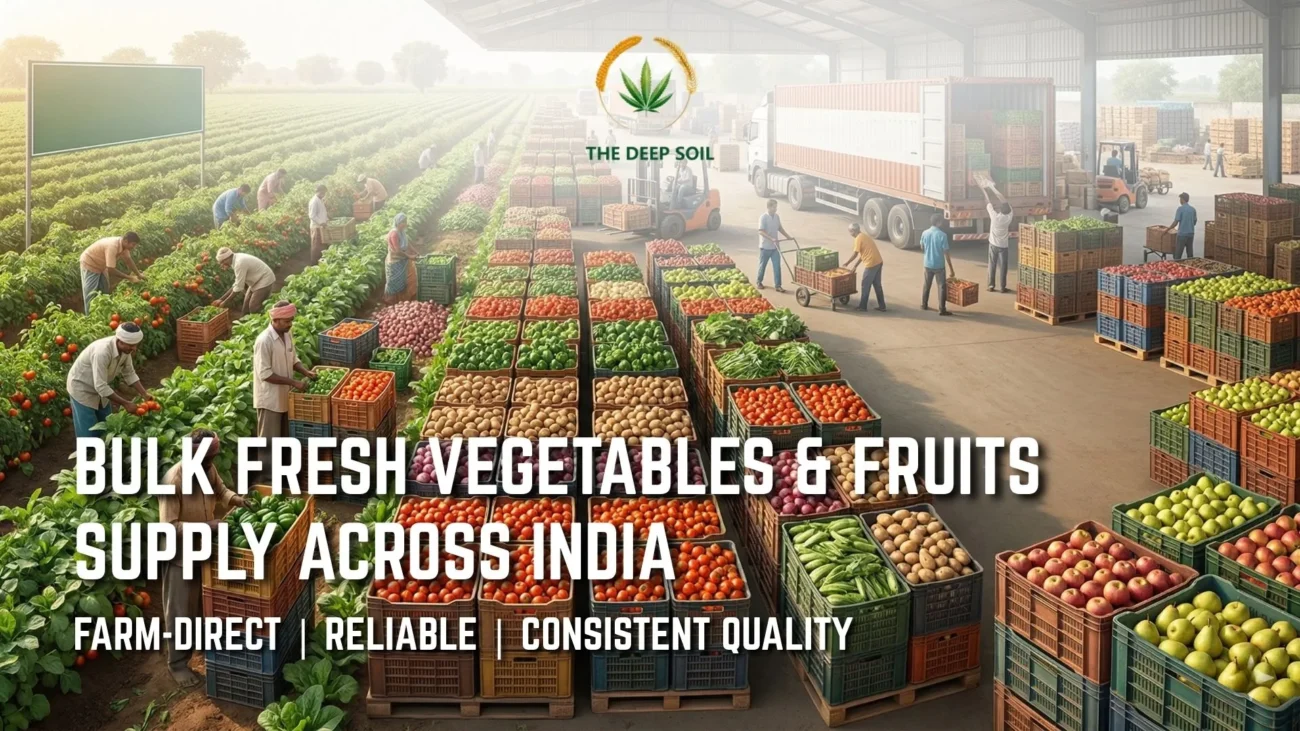
Bulk fresh vegetables and fruits in India can be sourced online through farm-direct suppliers who deliver directly to mandis, traders, and businesses. This model ensures better pricing, consistent quality, faster delivery (24–72 hours), and reduced wastage compared to traditional mandi sourcing systems.
Bulk fresh vegetables and fruits in India can now be sourced more efficiently through online farm-direct suppliers, and this shift is rapidly transforming how mandis, traders, and businesses operate. Instead of relying entirely on traditional mandi networks, bulk buyers are adopting structured sourcing models that provide better control over quality, pricing, and supply consistency.
For decades, India’s fresh produce supply chain has depended on multiple intermediaries. Produce typically moves from farmers to aggregators, then to mandis, followed by traders and distributors before reaching the final buyer. While this system has supported large-scale distribution, it introduces inefficiencies that directly affect businesses dealing in bulk quantities.
One of the biggest challenges in traditional sourcing is inconsistent quality. Bulk buyers often receive mixed-grade produce within the same lot, requiring additional labor for sorting and grading. This not only increases operational costs but also affects resale value in competitive mandi environments. Additionally, price fluctuations in mandis make it difficult for traders to plan purchases and maintain stable margins.
To address these issues, businesses are increasingly choosing to buy fresh vegetables online in India through bulk suppliers who operate on a farm-direct model. This approach reduces the number of intermediaries and allows produce to move faster from farms to buyers. As a result, businesses receive fresher stock with better shelf life and reduced spoilage.
Farm-direct sourcing also improves grading consistency. Suppliers categorize produce into defined grades before dispatch, ensuring uniformity across bulk orders. For mandi traders, this translates into faster resale, improved customer trust, and reduced rejection rates. Consistency is especially important for businesses that depend on repeat buyers and long-term relationships.
Another key advantage is pricing transparency. When sourcing directly from farms or organized supply networks, businesses can avoid multiple commission layers. This leads to more stable and competitive pricing, which is crucial for maintaining profitability in wholesale markets. Over time, this stability allows traders to build predictable pricing strategies and improve business planning.
Supply reliability is another major factor driving this shift. Traditional mandi sourcing depends heavily on daily arrivals, which can vary due to weather conditions, transportation delays, or seasonal factors. In contrast, bulk suppliers with farm networks can ensure continuous availability by sourcing from multiple regions. This is particularly beneficial for businesses that require consistent stock throughout the year.
Speed of delivery also plays a critical role. In a farm-direct model, produce typically reaches buyers within 24 to 72 hours of harvest. This shorter supply chain significantly improves freshness and shelf life, reducing wastage and increasing overall profitability. For bulk buyers, faster turnover means better utilization of inventory and improved cash flow.
When it comes to fruits, sourcing from the right region can make a significant difference. Himachal Pradesh has emerged as one of the most reliable sources for high-quality fruits in India. Apples, pears, plums, cherries, and kiwis from this region are widely preferred in mandis due to their superior taste, firmness, and shelf life.
The climatic conditions in Himachal Pradesh—cool temperatures, high altitude, and mineral-rich soil—allow fruits to develop naturally without excessive intervention. For bulk buyers, this results in produce that can withstand long-distance transportation and maintain quality during resale. Additionally, Himachal-origin fruits carry a premium perception in the market, leading to higher demand and better pricing.
Choosing the right bulk supplier is essential for businesses looking to transition to this model. A reliable supplier should offer proper grading, bulk handling infrastructure, and the ability to fulfill large-volume orders consistently. Transparency in pricing and sourcing is equally important, as it builds trust and ensures long-term business relationships.
Bulk buyers should also consider suppliers who understand mandi dynamics. This includes knowledge of demand cycles, pricing sensitivity, and resale challenges. A supplier with this understanding can provide better support and ensure smoother operations for traders and distributors.
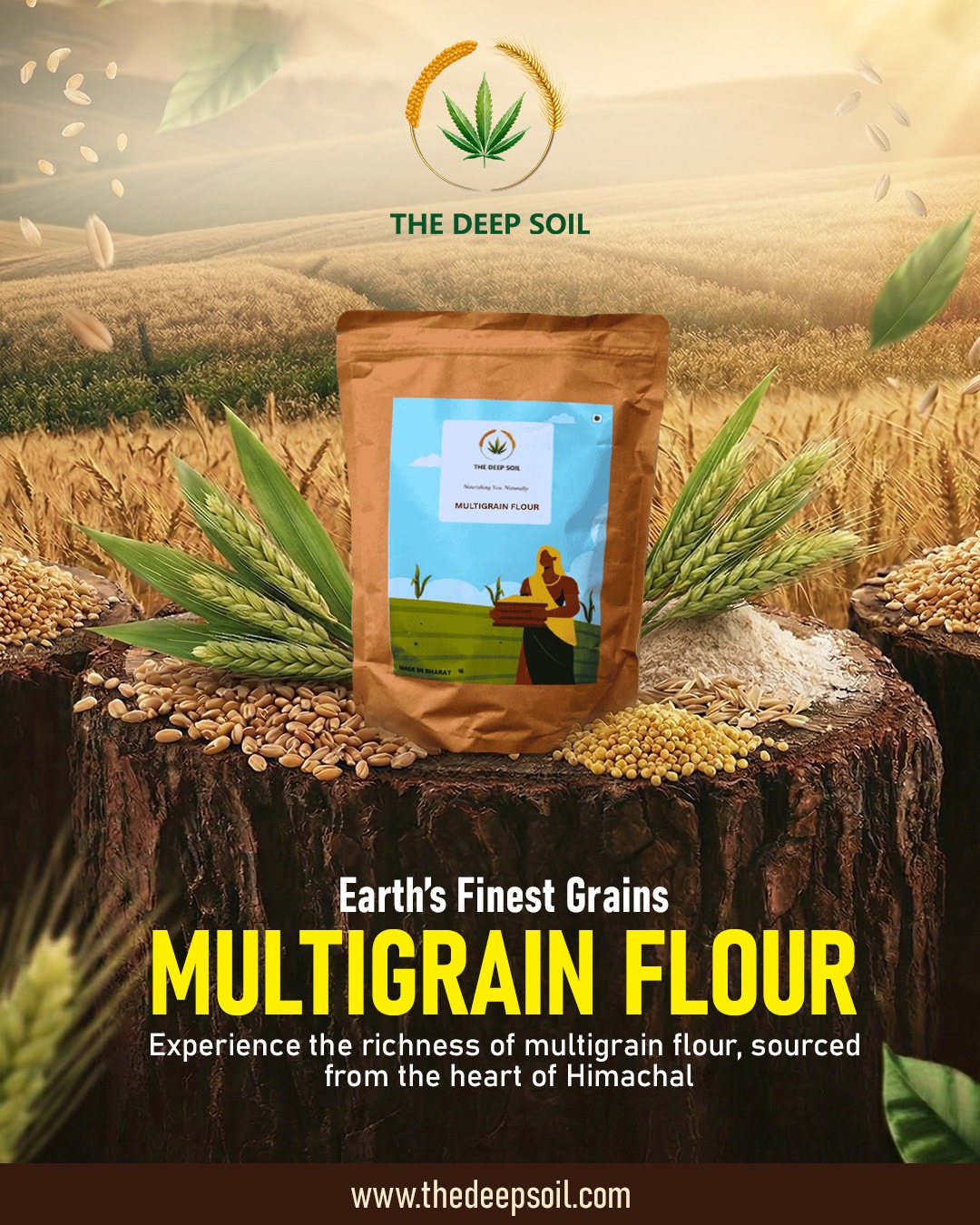
Beyond fruits and vegetables, many businesses are expanding into related product categories such as dry fruits, millets, and cold-pressed oils. These categories are gaining demand in retail markets and offer additional revenue opportunities for bulk buyers. Sourcing multiple products from a single supplier can improve efficiency and simplify logistics.
Different types of businesses benefit from bulk sourcing in different ways. Mandis and commission agents focus on high-volume turnover and margin optimization. Retailers prioritize consistent quality and regular supply. Restaurants and cloud kitchens require uniform produce for maintaining taste and presentation. Distributors look for scalability and reliable sourcing across regions.
As the fresh produce industry continues to evolve, it is clear that traditional sourcing methods alone are no longer sufficient. Businesses need more control, better consistency, and improved supply chain efficiency to remain competitive. Farm-direct bulk sourcing addresses these needs and provides a scalable solution for modern operations.
The future of fresh produce sourcing in India lies in structured, transparent, and efficient supply chains. Businesses that adopt this approach will be better positioned to handle market fluctuations, reduce wastage, and improve profitability.
At The Deep Soil, the focus is on supplying bulk quantities of fresh vegetables and fruits directly to mandis, traders, and businesses across India. With farm-linked sourcing, strong networks in Himachal Pradesh, and the ability to handle large consignments, the goal is to deliver consistent quality and reliable supply without the inefficiencies of traditional systems.
What is the best way to buy fresh vegetables in bulk in India?
The best way is through farm-direct bulk suppliers who provide consistent quality, better pricing, and faster delivery compared to traditional mandi sourcing.
Can businesses order fruits and vegetables in bulk online in India?
Yes, many suppliers now offer bulk ordering specifically for mandis, traders, and businesses with scalable logistics support.
What is the minimum order quantity for bulk fresh produce?
Most bulk suppliers start from 100 kg and can scale to multi-ton orders depending on business requirements.
Why is Himachal Pradesh fruit preferred in wholesale markets?
Himachal fruits are known for better taste, firmness, and shelf life, making them ideal for transport and resale in mandis.
Is bulk sourcing cheaper than mandi purchasing?
In many cases, yes. Bulk sourcing reduces intermediary costs, resulting in more stable and competitive pricing.