Modern lifestyles demand convenience, but health-conscious consumers are beginning to question what truly goes into their food. Highly refined and ultra-processed products often sacrifice nutrition for shelf life and mass production. This shift in awareness is driving people back toward time-tested techniques — revealing the powerful benefits of traditional processed foods for a healthy lifestyle.
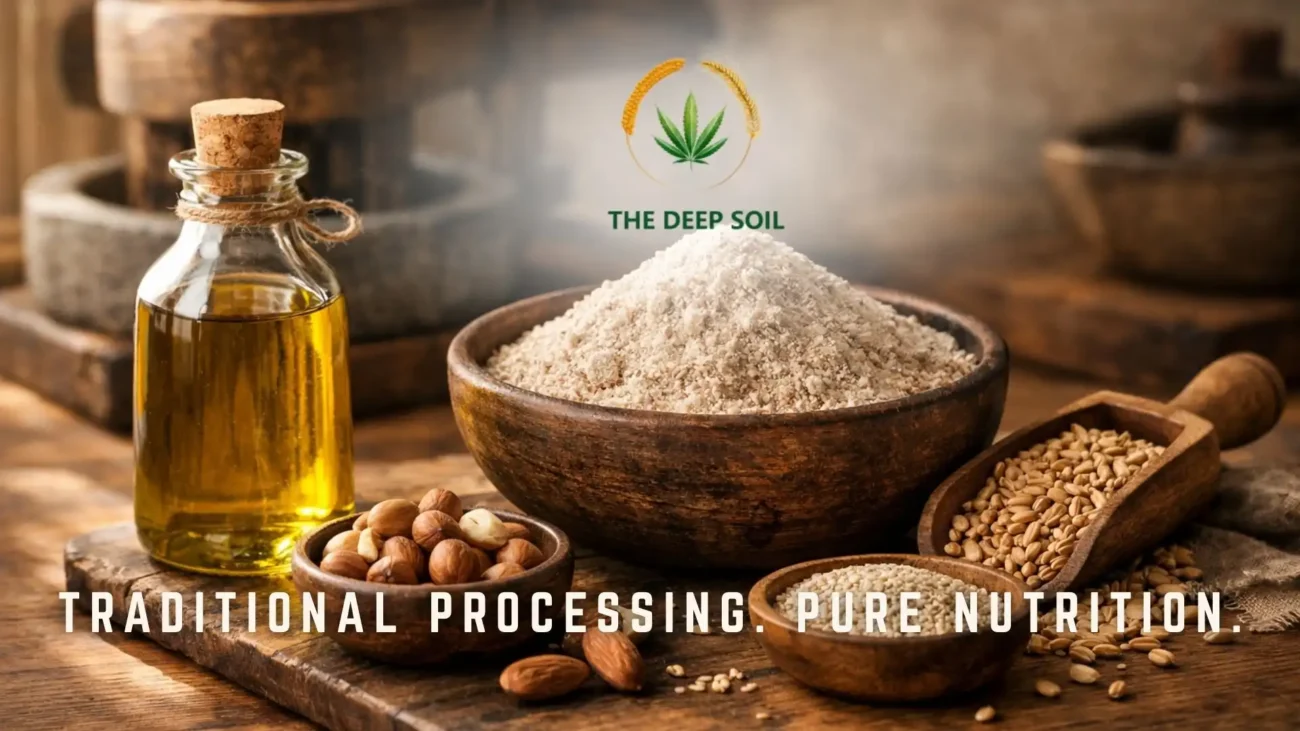
Traditional processing is not about outdated practices; it is about preserving the natural integrity of food. Methods such as cold pressing, stone grinding, slow extraction, and minimal filtration ensure that nutrients remain intact while avoiding harmful chemicals and excessive heat.
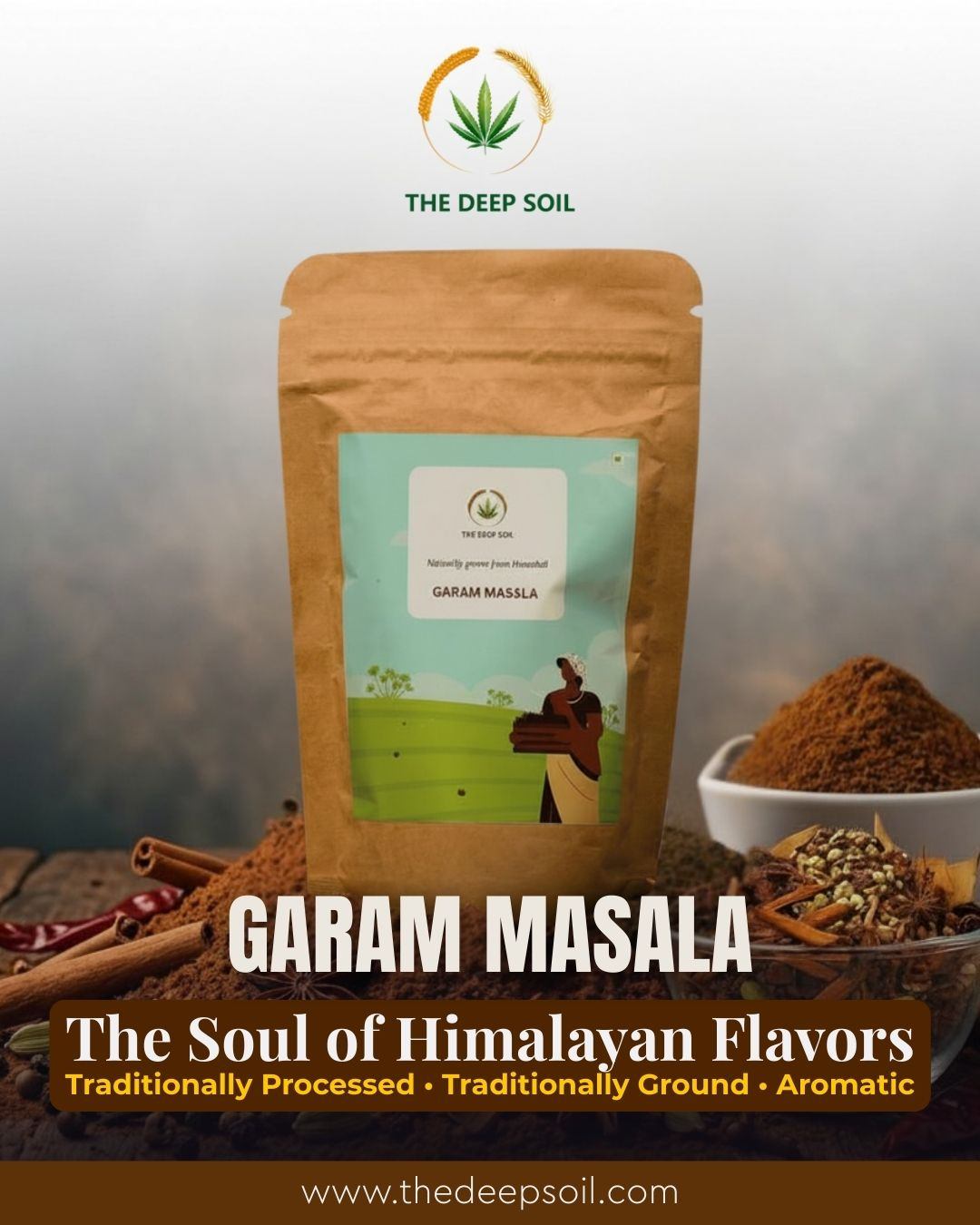
Brands like The Deep Soil are helping lead this movement by focusing on how food is processed rather than altering it unnecessarily. The result is cleaner, more nutrient-dense food that aligns with modern wellness goals.
What Are Traditional Processed Foods?
Traditional processed foods are created using mechanical or natural techniques instead of aggressive industrial refinement.
Common Traditional Processing Methods
Cold pressing to extract oils without heat
Stone grinding to retain fiber and micronutrients
Wood or slow pressing for nutrient preservation
Minimal filtration to maintain natural compounds
Small-batch processing for quality consistency
The objective is simple: protect the food’s original nutritional profile.
Why Processing Method Matters More Than the Ingredient
Many people focus only on what they eat, but how food is processed can dramatically impact its nutritional value.
For example:
Excessive heat can destroy vitamins
Chemical refining removes antioxidants
Heavy processing strips natural flavor
Artificial stabilizers reduce purity
Traditional processing avoids these pitfalls, making it a smarter choice for long-term health.
Key Benefits of Traditional Processed Foods for a Healthy Lifestyle
1. Superior Nutrient Retention
One of the biggest advantages of traditional processing is that it protects naturally occurring nutrients.
Cold-pressed oils, for instance, retain:
Natural antioxidants
Essential fatty acids
Vitamin E
Plant compounds
These nutrients often degrade during high-temperature industrial extraction.
👉 Result: Your body receives real nourishment instead of empty calories.
2. Chemical-Free and Cleaner Consumption
Modern refining frequently involves bleaching agents, deodorizing chemicals, and preservatives.
Traditional processing focuses on purity.
What this means for consumers:
Fewer synthetic additives
Reduced toxin exposure
Cleaner ingredient lists
Greater dietary transparency
Clean eating begins with clean processing.
3. Better Heart Health Support
Naturally processed oils and foods often contain healthier fat profiles compared to heavily refined alternatives.
When nutrients remain intact, they help support:
Balanced cholesterol levels
Improved cardiovascular function
Reduced inflammation
This makes traditionally processed foods a strong foundation for preventive health.
4. Enhanced Flavor and Authentic Taste
Traditional methods preserve the original aroma and texture of food.
Cold-pressed oils, for example, maintain their natural fragrance — a sign that the nutritional compounds are still active.
Why this matters:
Better taste encourages healthier cooking habits and reduces reliance on artificial flavor enhancers.
5. Supports Digestive Wellness
Foods processed gently are easier for the body to recognize and metabolize.
Less chemical interference means:
Improved digestion
Better nutrient absorption
Reduced digestive stress
Your gut prefers food that remains close to its natural state.
6. Aligns Perfectly with the Clean Eating Movement
Consumers today prioritize:
Ingredient transparency
Minimal processing
Functional nutrition
Preventive health
Traditional processed foods check every one of these boxes.
They represent a shift from mass-produced eating → mindful nourishment.
Traditional Processing vs Modern Industrial Processing
Factor
Traditional Processing
Industrial Processing
Heat Usage
Low
Extremely High
Chemicals
Rarely Used
Frequently Used
Nutrient Retention
High
Often Reduced
Flavor
Natural
Artificially Enhanced
Health Impact
Supportive
Often Questionable
The difference is not subtle — it is nutritional.
Why The Deep Soil Stands Out
Not all traditionally processed foods are created equal. Execution determines whether the benefits truly reach the consumer.
The Deep Soil focuses on preserving authenticity through:
✅ Cold-pressed extraction methods ✅ Minimal intervention processing ✅ No unnecessary chemical refinement ✅ Nutrient-first approach ✅ Quality-driven production standards
Instead of altering food for mass scalability, the emphasis remains on protecting its natural value.
This philosophy makes The Deep Soil an ideal choice for individuals seeking the true benefits of traditional processed foods for a healthy lifestyle.
How Traditional Processing Fits Modern Lifestyles
You do not need to overhaul your entire diet to experience the benefits.
Simple Upgrades That Make a Big Impact
Replace refined oils with cold-pressed oils
Choose minimally processed staples
Cook with ingredients that retain natural nutrients
Avoid overly deodorized or chemically treated products
Small changes compound into long-term health gains.
The Rising Consumer Shift Toward Processing Transparency
Today’s consumers are smarter than ever. They are reading labels, researching brands, and prioritizing quality over convenience.
The biggest emerging question is no longer:
👉 “Is this food healthy?”
It is now:
👉 “How was this food processed?”
Brands that answer this transparently are earning lasting trust.
The Future of Healthy Eating Is Processing-Conscious
Nutrition science increasingly supports what traditional wisdom practiced for generations — less interference leads to better health outcomes.
As awareness grows, traditionally processed foods are transitioning from niche products to everyday essentials.
Choosing foods processed with care is not a trend.
It is a long-term lifestyle decision.
Conclusion
The benefits of traditional processed foods for a healthy lifestyle extend far beyond basic nutrition. They help preserve essential nutrients, reduce chemical exposure, improve digestion, and support preventive health.
But the true advantage lies in choosing a brand that respects the integrity of food.
With a strong commitment to cold pressing, minimal processing, and nutrient preservation, The Deep Soil represents a modern return to authentic nourishment.
When processing protects nature instead of modifying it, your body experiences food the way it was meant to be.
Healthier living often begins with a single smarter switch — starting in your kitchen.
1. What are traditional processed foods?
They are foods processed using natural or mechanical methods like cold pressing and stone grinding to preserve nutrients without harmful chemicals.
2. Are cold-pressed oils healthier than refined oils?
Yes. Cold-pressed oils retain antioxidants, vitamins, and healthy fats that are often lost during high-heat refining.
3. Why is minimal processing important?
Minimal processing helps maintain the food’s original nutritional structure, making it more beneficial for long-term health.
4. Do traditionally processed foods support heart health?
Foods that retain natural fatty acids and antioxidants can contribute to better cardiovascular function.
5. How can I start incorporating traditionally processed foods?
Begin by replacing refined kitchen staples with cold-pressed and minimally processed alternatives for immediate nutritional improvement.